NORMAN – According to the Centers for Disease Control, cancer rates among Native American and Indigenous populations have higher mortality rates compared with other groups. The two most common types of cancer are lung and stomach cancer. External factors contributing to these rates include a lack of insurance, lower household incomes, and rural areas where comprehensive health care is out of reach for residents. A service many Tribal citizens rely on is the Indian Health Service’s (IHS) Purchased/Referred Care (PRC) program, formerly known as Contract Health Services.
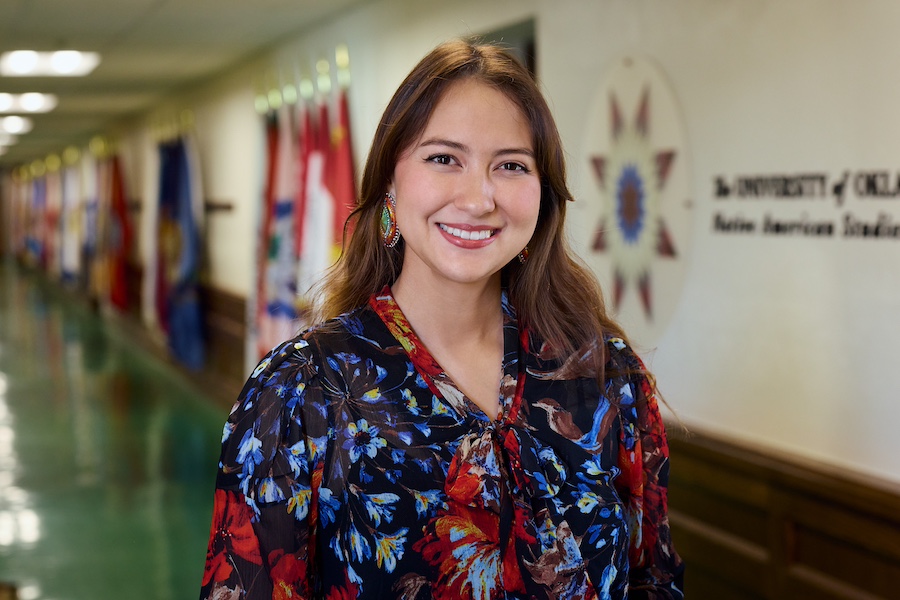
A report on the PRC’s effectiveness in treating cancer rates among Indigenous populations was released by the University of Oklahoma Native Nations Center for Tribal Policy Research. The author of the report, Tribal Healthcare Policy Analyst Grace Fox (Seminole), spoke with Mvskoke Media’s Live Wire on Friday, March 20, sharing her findings and the policy options for consideration.
“We’re not only focusing on Tribal communities, we’re also providing solutions that are geared toward Tribal leaders,” Fox said. “What can we do? How can we help our citizens live their healthiest, happiest lives?”
The Purchase and Referred Care program ensures continual access for Tribal citizens to healthcare that may not be delivered or accessible at IHS clinics or Tribal clinics. It’s under the federal trust responsibility to provide care for Native American and Tribal citizens here in the United States.
For Fox, the research is personal. She has seen up close how cancer affects loved ones and the responsibility of being a caretaker. When her mother was diagnosed with cancer, she was stunned by the little research done on cancer treatment for Tribal citizens. Fox remarked that the research she does now is fulfilling both professionally and personally.
Research on the PRC was pulled from publicly accessible records, and the research is presented in a format for policymaker analysis. Fox explained that this means that the solutions to the issues outlined in the research can one day become law. Fox’s research stressed that the PRC is important because it may be the only treatment path moving forward for many Tribal citizens diagnosed with cancer.
“Purchased and Referred care was created to ensure continuous delivery of care. That is especially important when looking at cancer because Native Americans and Alaskan Natives face higher cancer incidence rates, higher mortality, later diagnoses, and an overall heavier cancer burden.” Fox said.
Fox expounded that many IHS clinics do not offer life-saving cancer treatment services. This includes screenings, chemotherapy, and surgery. Through the PRC, Tribal citizens are referred to cancer treatment facilities that are typically found in urban metropolitan areas. However, this can create barriers. For citizens living in rural areas far from a cancer treatment center, making a round-trip two to three times a week can be challenging. Other barriers include insurance coverage that does not cover treatment costs and historical mistrust of healthcare institutions.
“Being informed, being educated and being an advocate for yourself and your family and your Tribal community is what is going to last not just for you, but the seven generations to come. Make sure you know about the systems the federal government has the responsibility to deliver on,”
Solutions
Fox’s research proposes that Tribal governments take authority through self-determination by funding their own cancer treatment facilities. It also proposes that Tribes take the initiative to seek partnerships with other Tribes, Tribal nonprofits, and universities to elevate treatment access for all Tribal citizens.
Teleoncology is a treatment method that appeared in Fox’s research. According to the National Library of Medicine, telecology is the application of telemedicine to oncology. This applies to all stages of treatment, including diagnosis, treatment, and supportive care. This can combat disparities in lower-income countries and high-income countries with low-income areas. These areas are typically remote or rural. Fox proposed that teleoncology could be implemented in satellite health care facilities.
The last major solution proposed by Fox’s research is sovereignty-driven federal engagement. Fox stresses that it is important for Tribes to intentionally advocate for IHS funding. One issue Fox believes Tribes need to continuously address is the number of IHS positions vacant.
The Muscogee (Creek) Nation is addressing the need for comprehensive healthcare in rural areas on the Reservation. The Nation broke ground on two new developments this year in Sapulpa and Holdenville. Soon, Tribal citizens in these communities will no longer have to travel as far to receive contract health services. A release from the MCN Department of Health states these facilities will “foster collaboration among healthcare professionals, strengthen care coordination, improve patient outcomes, and enhance the overall patient experience.”
Fox encourages Tribal citizens to be informed about healthcare services, either provided by their Tribe or the federal government. This means knowing your risks and getting screened if you qualify.
“If you’re qualified, get screened,” Fox said. “Check your local guidelines and talk to your physician about screening for different kinds of cancers, especially if you have a genetic component, and environmental or lived factors. We want you around.”
Fox’s next report will be published in June. For those who want to learn more about the OU Native Nations Center for Tribal Policy Research and their work, visit ou.edu/nativenationscenter.