OKLAHOMA CITY – The National Indian Education Association (NIEA) announced plans to expand its Tribal Communities In Schools (TCIS) initiative to 80 Oklahoma schools over the next decade, bringing culturally grounded resources and community support to help Native students overcome barriers to education.
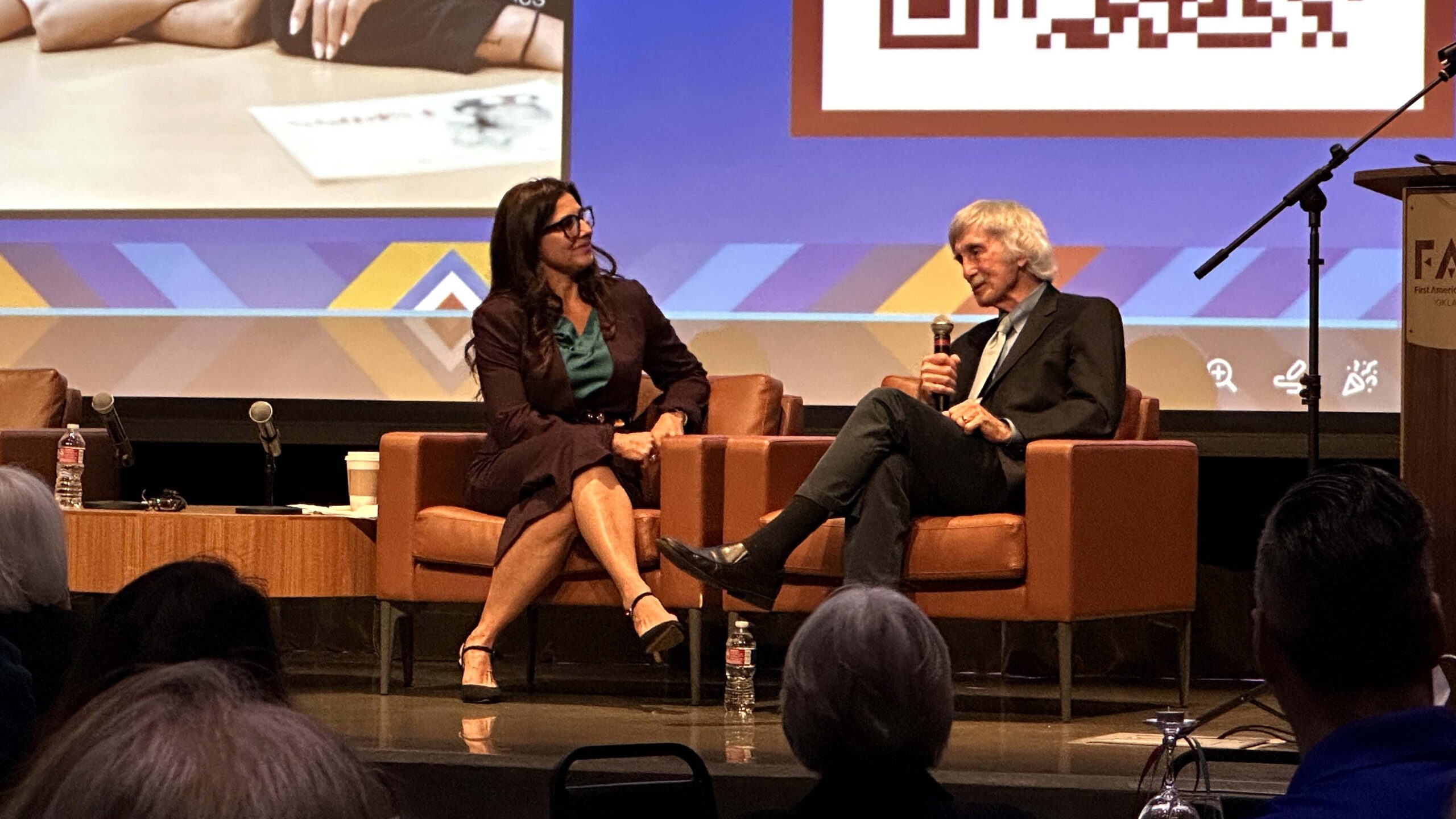
Tribal leaders, educators, and community partners gathered at the First Americans Museum on Nov. 20 for a launch luncheon highlighting the initiative’s mission, its impact on Oklahoma students, and opportunities for community involvement.
Through a partnership with Communities In Schools (CIS), the initiative places site coordinators directly inside schools to connect students and families with resources such as academic tutoring, mentoring, mental health services, and assistance with basic necessities.
Unlike traditional academic intervention programs, TCIS incorporates Tribal relationships, cultural identity, and educational sovereignty into its approach to student success.
Donna Richey (Kiowa), Tribal Communities Program Director, emphasized the importance of creating school environments where Native students feel supported academically and culturally.
“I needed people to know who I was and not have to come to school and be one way and then go home and live my culture and who I am a different way,” Richey said, reflecting on her own experiences as a Native student.
NIEA began partnering with Communities In Schools in 2019 and became a licensed partner in 2022. The national CIS model, established in 1977, currently serves approximately 1.8 million students through partnerships with 3,270 schools and community sites. NIEA operates TCIS in 10 schools nationwide.
The initiative’s Oklahoma expansion follows a pilot program at Anadarko Public Schools, where educators described the challenges facing students and the importance of connecting families with community resources.
Anadarko Superintendent Danny Pittman said approximately 80% of the district’s students are economically disadvantaged, while more than 80% have Tribal membership. The district serves students representing 38 different Tribal Nations.
Pittman said the needs of students often extend beyond what teachers and administrators can address inside the classroom.
“When you’re trying to work with these students and these families, you’re trying to teach, you’re trying to help them learn. But a lot of times it needs to go beyond that,” Pittman said.
Brooke Laurenzana, principal of Andarko Mission Elementary and a former CIS site coordinator, shared the experience of a student whose behavioral difficulties were connected to challenges at home.
The student, identified by the pseudonym Mike, frequently struggled to remain in class. Through conversations with Laurenzana, she discovered that he was living with his grandfather and two other children in a home without running water or electricity. The program helped the family restore those utilities, allowing the student to better focus on his education.
Laurenzana said the student is now preparing to graduate from high school and enter the military, and he has asked her to attend his graduation.
“When their needs are met, they get to come and be educated. They get to come and stay in class and not have behavior issues and not be hungry in class. And they get to learn,” Laurenzana said.
The program’s approach is built around providing consistent relationships between students and trusted adults who can identify challenges and connect families with assistance.
Bill Miliken, founder of Communities In Schools, spoke about the importance of those relationships, drawing on his own experience as a struggling student who found support from a mentor.
“Relationships change people, not programs,” Miliken said.
As NIEA prepares to expand TCIS across Oklahoma, Richey said the organization’s initial goal is to establish the program in 10 schools during its first year.
Through support from CIS, the initiative plans to provide matching funds to help those schools establish and maintain site coordinators during their first three years while developing the capacity to sustain the program.
Additional financial contributions and community partnerships will be needed to support the expansion.
Richey encouraged Tribal Nations, businesses, educators, and community members to become involved through donations, volunteer opportunities, and connections with schools and potential funding partners.
“We want to make sure our communities are economically viable,” Richey said. “I want to make sure our folks have a job. This is how we do that. This is how we connect those people.”
While NIEA’s strategic goal is to reach 80 Oklahoma schools over the next decade, Richey expressed hopes that community investment could eventually expand the initiative to 100 schools.
Schools, Tribal Nations, and community members interested in bringing Tribal Communities in Schools to their communities are encouraged to contact Donna Richey, Tribal Communities Program Director, to learn more about partnership opportunities and program implementation. Richey can be reached at drichey@niea.org or (202)892-6932.