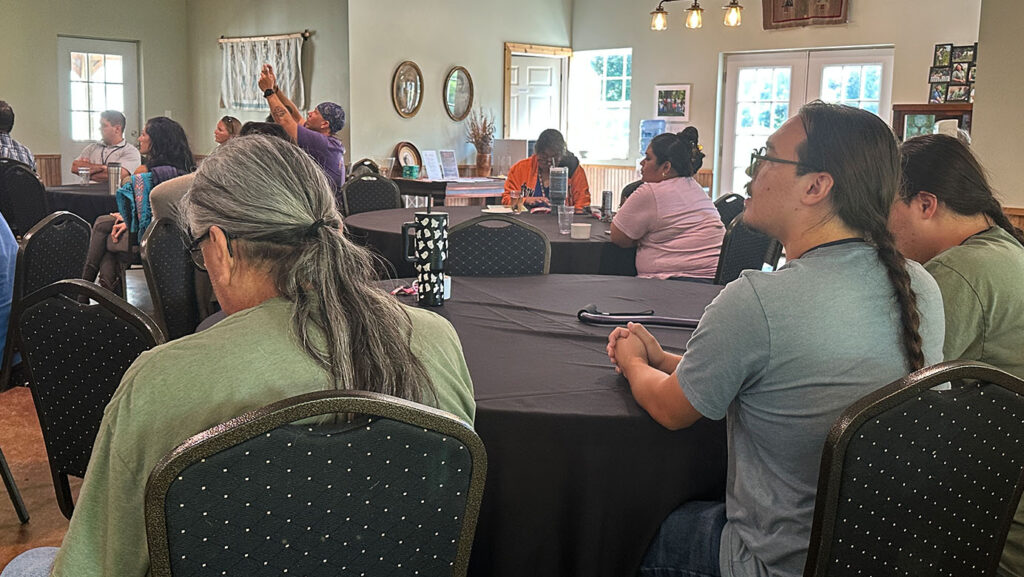
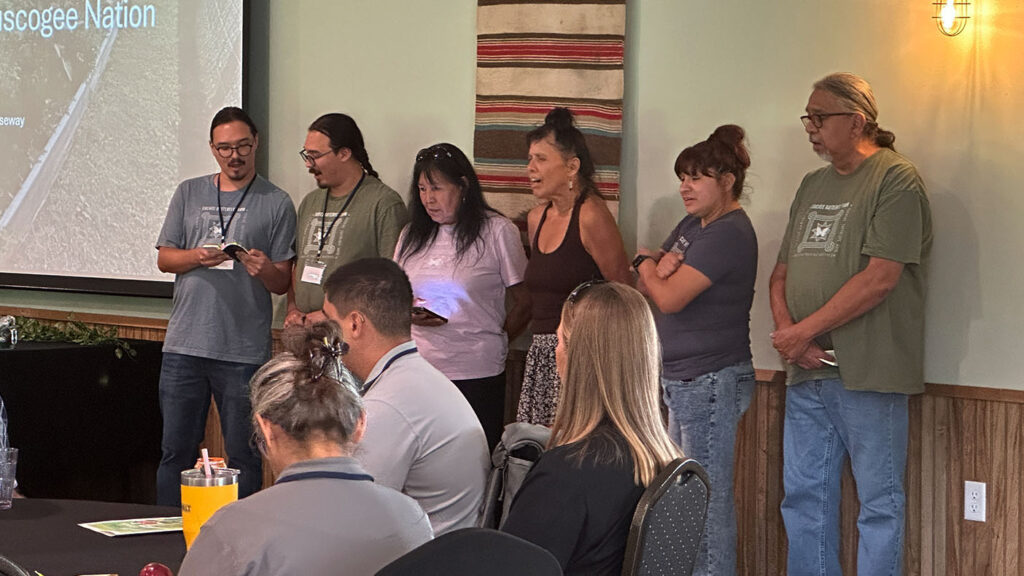
BIXBY – Tribal citizens, conservation professionals, and agricultural experts gathered at the Euchee Butterfly Farm Sept. 16-17 for the Tribal Alliance for Pollinators’ Fall 2026 Conference, centered on a fundamental part of healthy ecosystems: the soil beneath them.
The two-day “Healthy Soils, Healthy Lands” conference focused on land management practices that support healthy habitats and agricultural lands, including soil health, native plant restoration, prescribed fire, sustainable agriculture, and pollinator conservation.
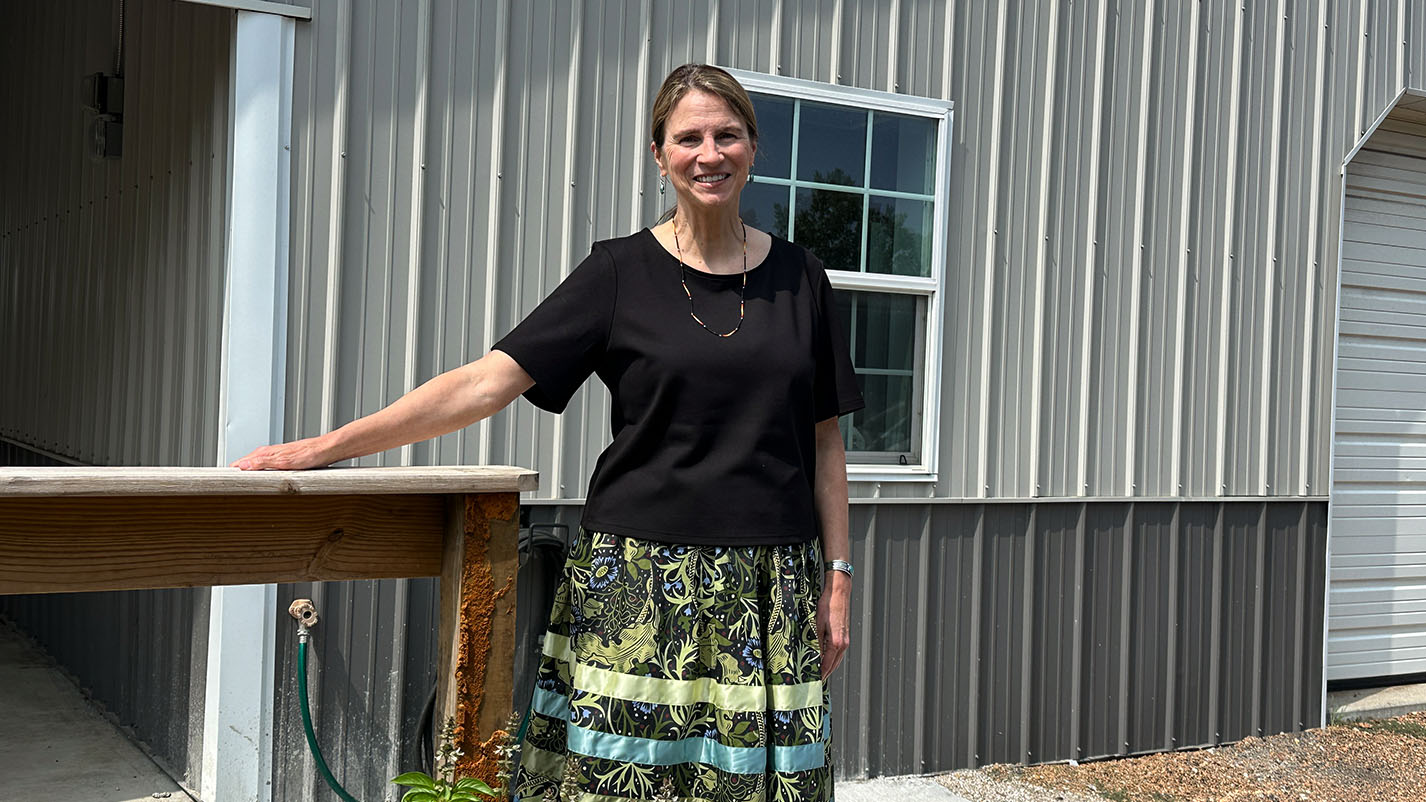
Euchee Butterfly Farm director and Tribal Alliance for Pollinators co-founder Jane Breckinridge (Mvskoke/Yuchi) said the conference was designed to connect the way Indigenous people think about caring for the land with practical knowledge that can be put into action.
“We’re not going to have healthy lands until we have healthy soils,” Breckinridge said.
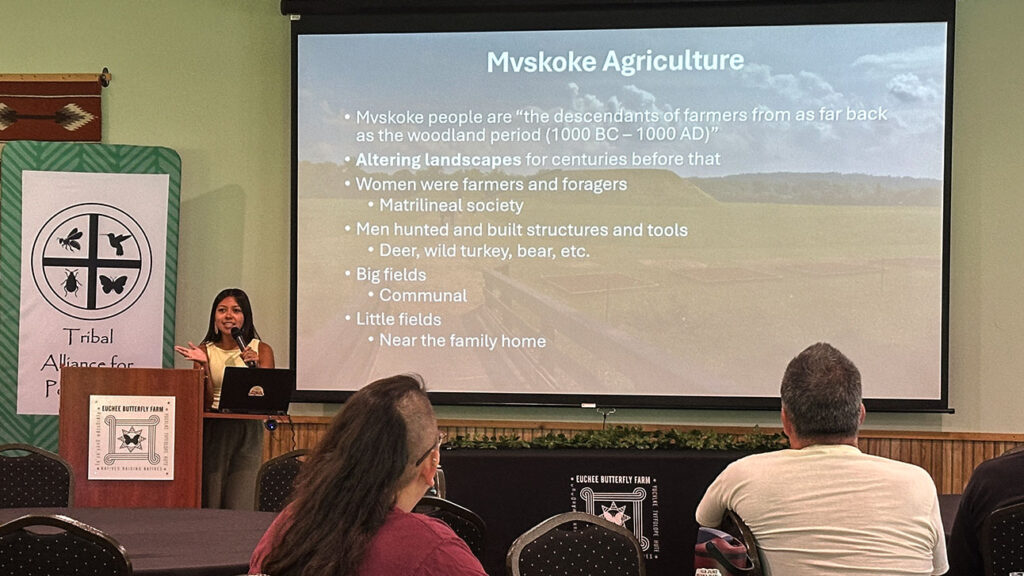
The conference brought together speakers from tribal communities, universities, and federal agencies to share traditional knowledge, technical expertise, and available resources. Presentations included prescribed fire and patch-burn grazing, seed rematriation and Native food sovereignty, traditional Mvskoke agriculture, soil management, and federal agriculture programs.
Breckinridge said native plants can play an important role in protecting soil and creating resilient ecosystems. She pointed to the deep root systems of native grasses and plants, which can better withstand drought, anchor topsoil, and bring nutrients to the surface.
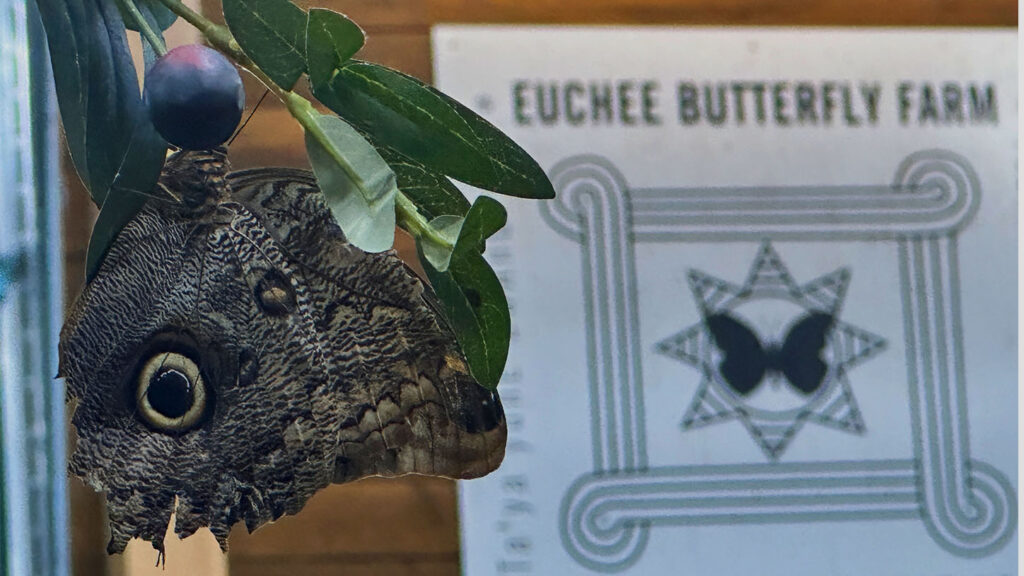
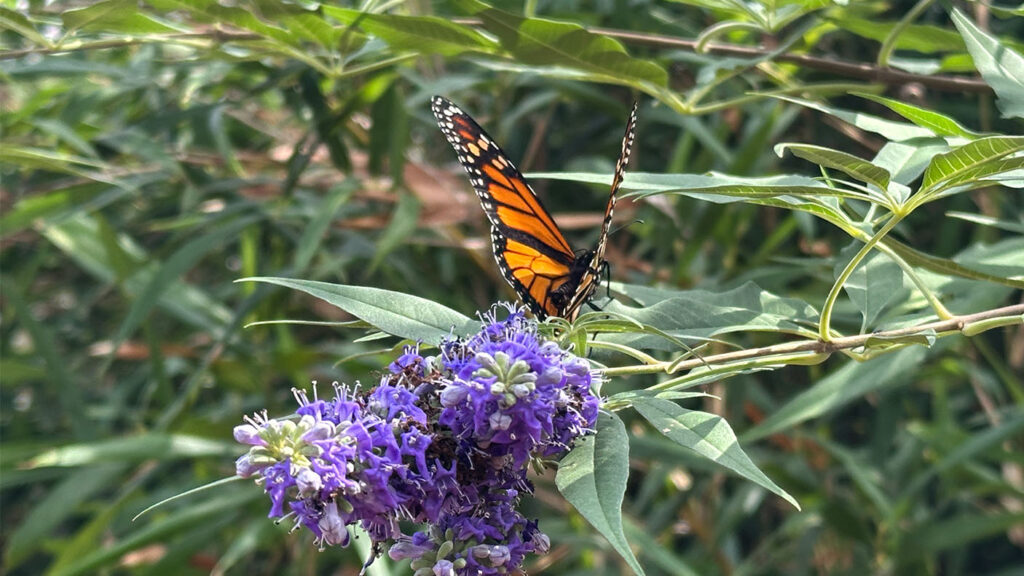
Those restoration efforts are visible at the Euchee Butterfly Farm. Breckinridge said the property contains 14 acres of original native prairie remnant, along with former hay meadows that have undergone approximately eight years of restoration. Areas she described as once supporting little biodiversity are now home to flowers, butterflies, native bees, fireflies, birds, and other wildlife.
Breckinridge emphasized that restoring habitat is not limited to Tribal governments or large landowners. Individuals can contribute by reducing pesticide and herbicide use, establishing nontoxic areas, and planting nectar sources, even in containers. Butterfly gardens should also include host plants that provide food for caterpillars, she said.
“Every single one of us can make a difference,” Breckinridge said.
Ultimately, Breckinridge said she hoped attendees left the conference with both practical knowledge and a sense of community.
She said participants should know “they’re not alone,” and that other people and Tribal communities are willing to share information, resources, and support.
“There’s technical support to help you, and there’s community to help you,” Breckinridge said. “But, yeah, it’s time to get up off the couch, stop doomscrolling, and get doing.”