MVSKOKE RESERVATION — Fat Bear Week celebrates rotund brown bears preparing for hibernation, but in the Muscogee (Creek) Nation black bears have been in the spotlight.
As Katmai National Park and Preserve in Alaska celebrated the 12th year of its viral Fat Bear Week contest, black bears are making similar hibernation preparations in eastern Oklahoma.
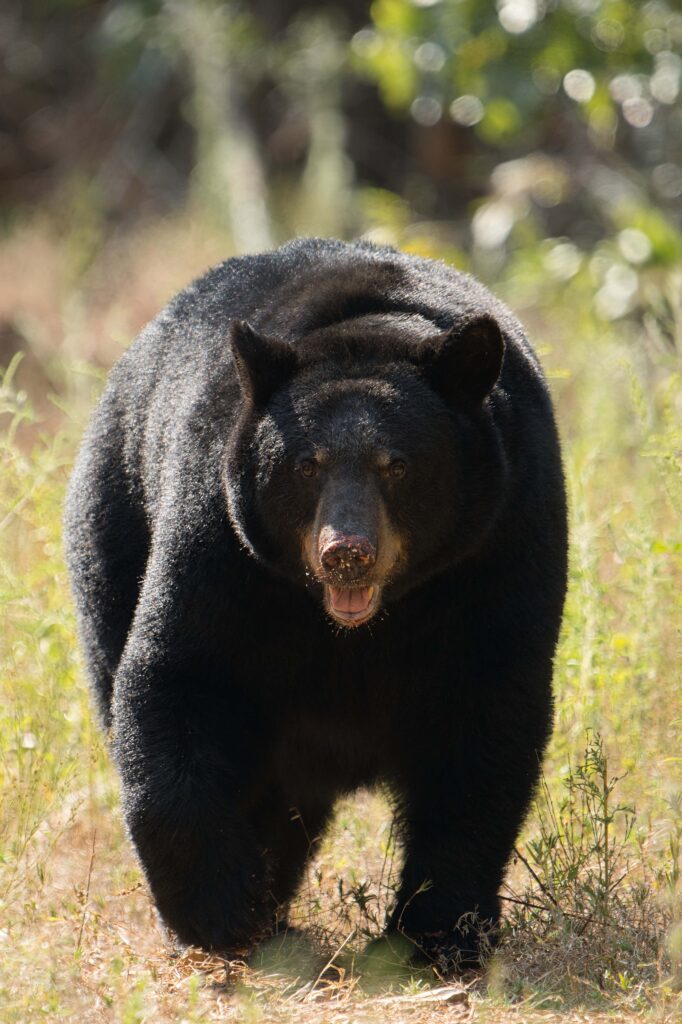
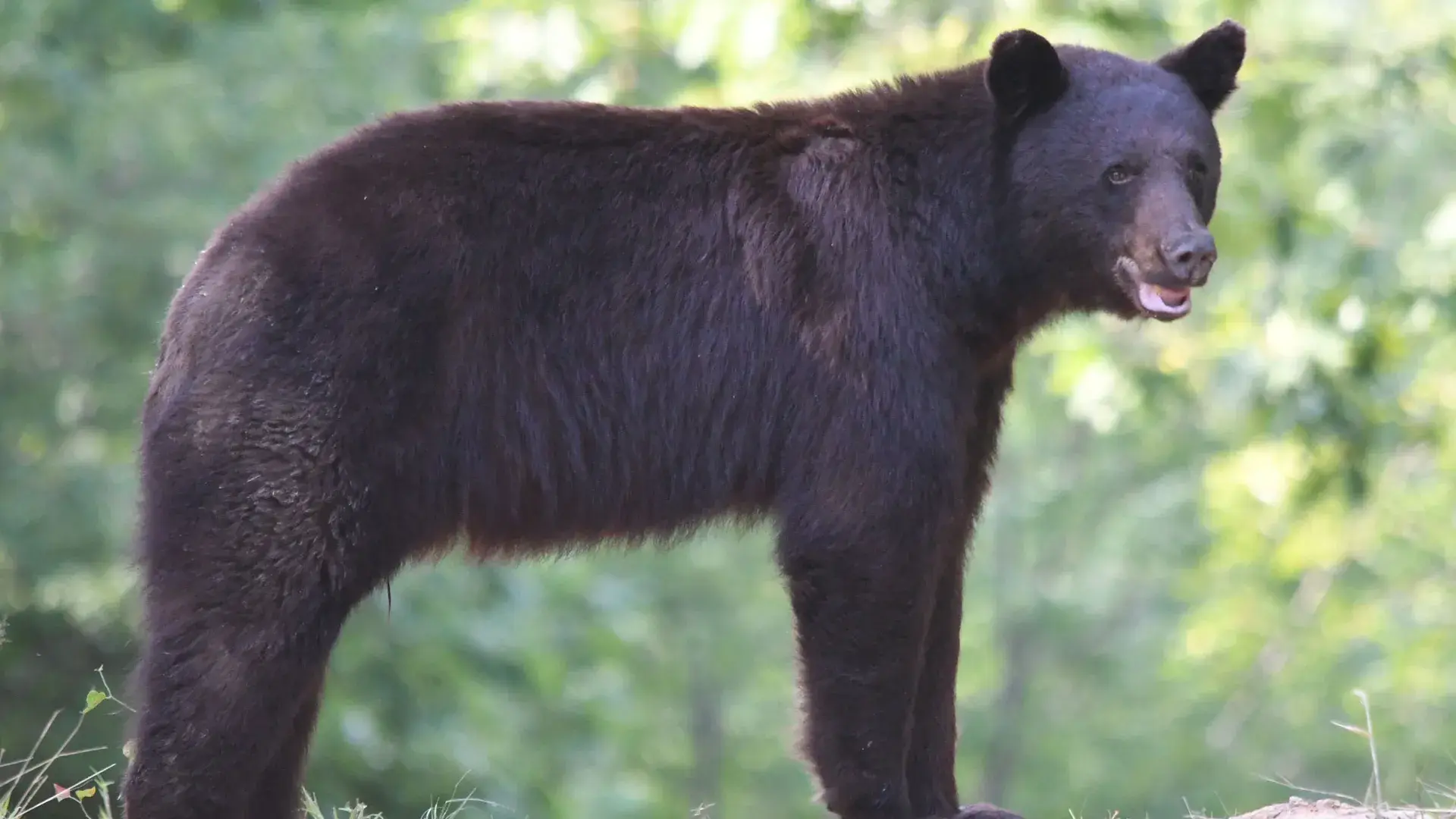
“Our Oklahoma black bears, much like the Alaskan brown bears, are in hyperphagia now. This is the natural physiological state where bears are spending most of their time acquiring calories to build up the fat reserves that will sustain them through the winter denning months. While the Alaskan brown bears are achieving this by focusing efforts on salmon runs, coastal seafood, and berries, Oklahoma black bears target hard mast such as acorns, hickory nuts, and soft mast such as late-season berries and persimmons,” said Matt Hensley, a biologist with the Oklahoma Department of Wildlife Conservation.
During Fat Bear Week, participants can go online and vote for their favorite bear as they put on weight. Last year’s winner, Chunk, weighed around 1,200 pounds.
Unlike the massive brown bears of Alaska, black bears typically weigh in at 150 to 400 pounds.
According to the Oklahoma Department of Wildlife Conservation, there are roughly 2,000 black bears in Oklahoma. About 200 of those bears are located in the northeastern part of the state.
The local black bear population is still recovering after being decimated by overhunting and habitat destruction in the early 20th century, but at one time black bears could be found all over Oklahoma.
Parts of the Mvskoke Reservation reach into the most densely bear-populated areas of Oklahoma. As the bear population continues to grow, so will the area in which bears are often spotted.
Black bears are an important part of our ecosystem. Though they are omnivorous, black bears are still considered Oklahoma’s largest predator. Black bears are also scavengers that appreciate an easy meal, including things left behind by humans.
ODWC recommends that people in bear-populated areas keep items such as garbage, food, and pet food out of bears’ reach and in sealed containers. Electric fences can help keep bears away from livestock and bee apiaries.
ODWC also said that bears are more likely to approach residences and businesses that are close to cover and offer an easy escape back into the woods. It is recommended to keep bear attractants at least 50 yards away from the treeline.
Officials warn that intentionally feeding bears is dangerous for both humans and the animals.
Feeding wild black bears can encourage them to return to human-populated areas, putting people and pets at risk of negative interactions.
ODWC is partnered with BearWise, an education and outreach program dedicated to bear safety and conservation. The website recommends several safety steps to take if someone encounters a black bear, depending on the situation.
If the bear is in or near a building or dumpster, back away and do not corner the bear. Make sure to leave doors open so the bear can escape. For a bear in a yard or garden, keep a safe distance and make noise to scare the bear away. After the bear has left, secure any attractants so the bear does not return.
If a bear is in a campsite, maintain a safe distance and make noise to scare it away. When encountering a bear during a walk or hike on a trail, keep a safe distance and move away quietly.
If approached by a bear, the safe response depends on the bear’s behavior while approaching. Visit the BearWise and ODWC websites for more information. The best practice is to avoid human-bear interaction altogether by being “bear aware” and preventing encounters in the first place.