BROKEN ARROW – Preservation of history has long since been the purpose of museums, but at The Museum Broken Arrow, one exhibition is giving Native artists the opportunity to tell their own stories.
Reclaiming Turtle Island: Native Resistance and Resilience, on display through Aug. 1, features works by members of the Southeastern Indian Artists Association exploring Indigenous resilience and cultural continuity.
The Museum Broken Arrow intentionally hosts at least one Native-focused exhibition each year as part of its commitment to honoring the region’s history and cultures. Located on Muscogee land, the museum partnered with SIAA to create a space where Indigenous artists can share their own stories and perspectives through contemporary art.
For museum Executive Director Mickel Yantz, the exhibition reflects the broader role museums play in preserving and sharing Indigenous stories, providing a platform for communities to share their own perspectives and experiences.
“Museums are about storytelling, and this artwork is, obviously, about so much storytelling,” Yantz said.
Creating that space has become a priority for the museum. Yantz said Native artists, like many artists, often have limited opportunities to showcase their work, making exhibitions like Reclaiming Turtle Island especially meaningful.
“There’s just not enough space, I think, for artists in general, let alone Native artists,” Yantz said. “For us to be able to open this up, it gives artists – both older artists and newer artists – that avenue to express themselves, to share their stories.”
That opportunity represents more to the featured artists than just having their work displayed in a gallery. It creates a space between Native artists and the community where perspectives, histories, and connections to the land can be shared directly.
“I feel like it’s very important for us to tell our own stories. Nobody tells our stories the way that we do.”
– Carly Treece
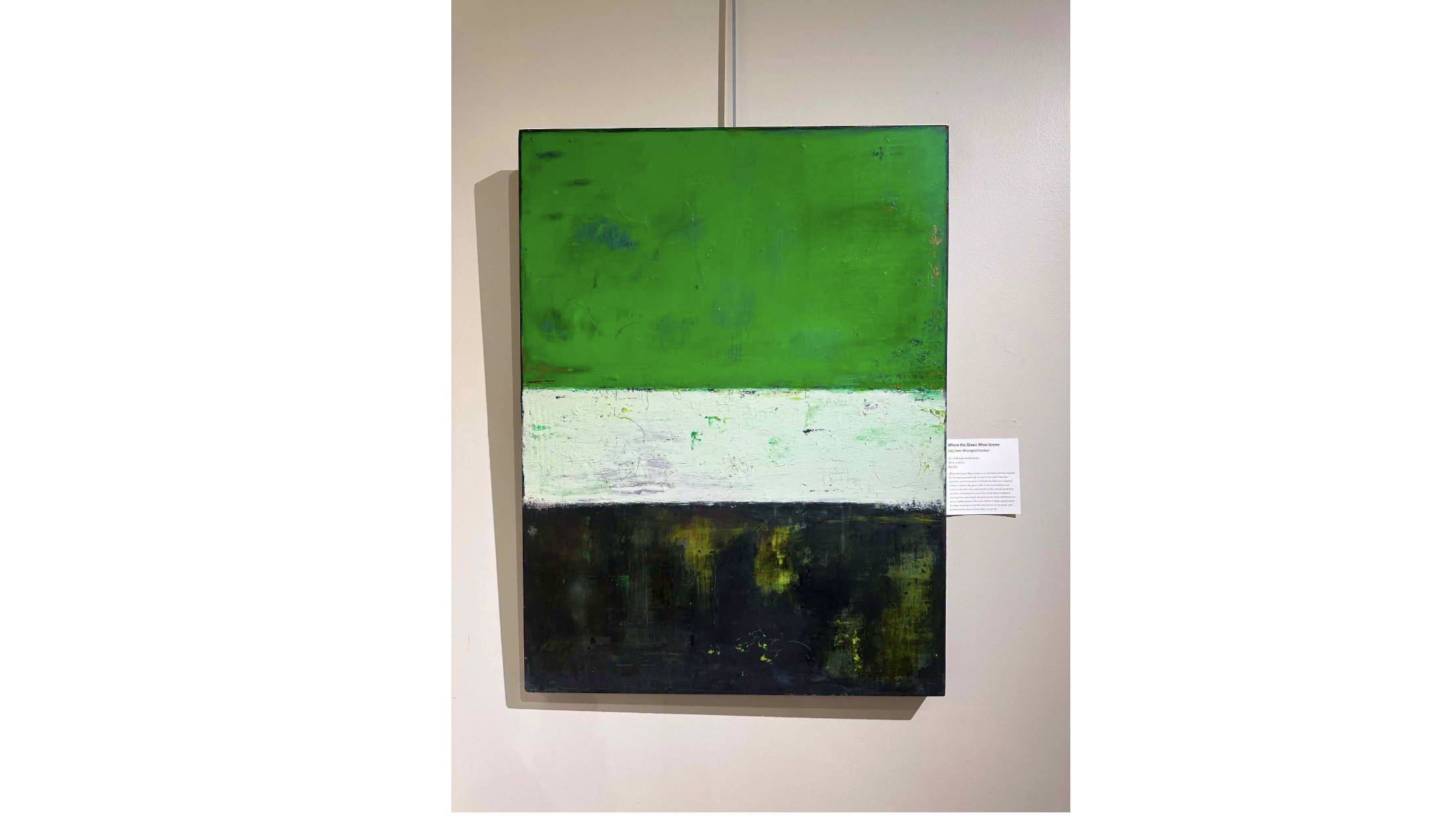
That connection is reflected in the way Muscogee citizen Carly Treece creates her artwork. The Tulsa-based visual artist uses oil and cold wax to create abstract works inspired by the surrounding land and her personal experiences.
“I feel like it’s very important for us to tell our own stories,” Treece said. “Nobody tells our stories the way that we do.”
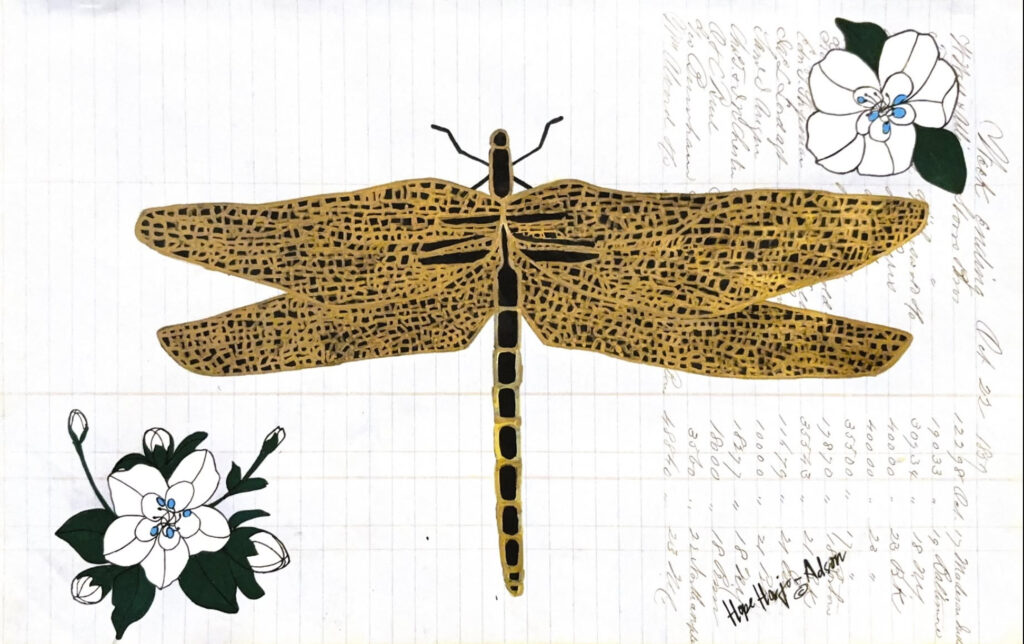
The exhibition as a whole highlights the diversity of Southeastern Native art through a variety of media, subjects, and colors. Part of SIAA’s mission is helping audiences better understand the range of artistic traditions and perspectives found throughout the region.
SIAA President Mary Lupton (Cherokee) said the organization works to create a supportive, resourceful community around its artists.
“We are a group of Southeastern Native American artists that get together every month to get to know each other, conduct business, and to promote Southeastern Native American art,” Lupton said.
Treasurer Shelley Patrick (Muscogee) said SIAA was created to highlight a region of Native art that is often overlooked.
“There are not many, if any around here, organizations that are specifically tailored to promoting and practicing Southeastern Native American art specifically,” Patrick said. “We needed an organization specifically to promote and to educate and to discuss our purpose as Southeastern Indigenous artists.”
For Lupton, part of that education is challenging the misconception that Native art has one specific look or style. She said that many people still have a limited understanding of what Native art can be. Through exhibitions like Reclaiming Turtle Island, artists can show the range of ways Native identity can be expressed.
“We’re honoring our traditions, but we’re also showing that we’re contemporary people in our art,” Lupton said. “Being able to kind of disprove those assumptions people have about us through our art.”
One of the most important messages the artists and organizers behind Reclaiming Turtle Island hope visitors carry with them is a broader understanding of Native art.
“There’s a lot of different stories and voices that I think are important to listen to,” Treece said.
Lupton said she hopes visitors will walk away recognizing the continued presence and resilience of Native communities.
“I really hope they remember and see that we are still here,” Lupton said.
Reclaiming Turtle Island: Native Resistance and Resilience will remain on display at The Museum Broken Arrow through Aug. 1, giving visitors an opportunity to learn the stories and experiences of Southeastern Native artists.