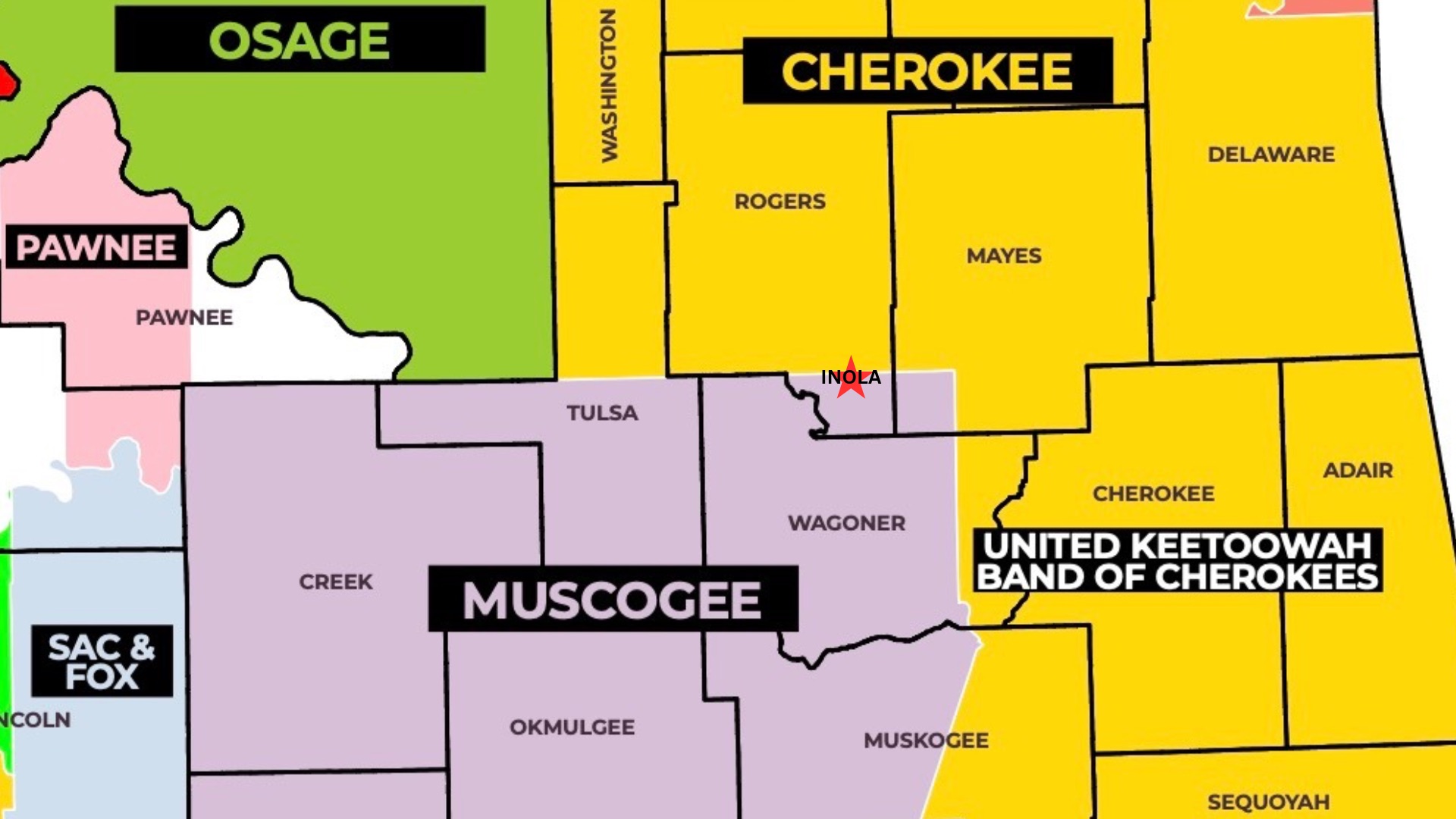
MVSKOKE RESERVATION — The Cherokee Nation has joined the Muscogee (Creek) Nation in opposition to the proposed aluminum smelter slated to be built in Inola.
On July 16, Representative Anna Marshall proposed a bill (TR 26-047) opposing the construction and operation of any aluminum smelter on the Reservation. The measure was adopted with a vote of 15-0 on July 25 during the Quarterly Session. The bill cites environmental concerns, strain on the energy grid, and potential adverse effects on nearby residents’ health as reasons for the opposition.
While Inola sits within the Mvskoke Reservation, the town’s proximity to the Cherokee Reservation was enough to get the Cherokee Nation involved in opposing the smelter. The Cherokee Nation Tribal Council voted Nov. 9 to support MCN’s stance and join in on formally opposing the smelter.
The motion was first brought up in September, but was tabled temporarily in order to “develop agreed upon language” according to the minutes notes from the Council of the Cherokee Nation Rules Committee meeting on Oct. 29. The resolution was postponed until after the Inter Tribal Meetings (Oct. 7-9, 2026) to allow for discussion with other tribes’ leaders.
The resolution of the Cherokee Nation (Resolution No. 47-26) acknowledges MCN Resolution TR 26-047 and the sovereignty of the Muscogee (Creek) Nation while expressing the “need for intergovernmental cooperation to protect the shared and interconnected natural resources of northeastern Oklahoma.”
The resolution is summarized in the final paragraph of the legislation: “Therefore be it resolved by the Council of the Cherokee Nation, that the Council acknowledges the Muscogee (Creek) Nation’s inherent right to oppose construction and operation of an aluminum smelter within their jurisdiction, endorses the August 7, 2026, statement by Principal Chief Hoskin Jr., and urges all applicable state and federal regulatory agencies to engage in full, meaningful, and timely government-to-government consultation with all tribal nations affected by the operation of such a project on tribal lands.”
Cherokee Nation Principal Chief Chuck Hoskin Jr. made a statement on Aug. 7 regarding the smelter’s potential impact. “Although the smelter is proposed to be situated in the Muscogee Nation near the border of our reservation, the economic and environmental impact of the smelter has long had the attention of Cherokee Nation leaders,” said Hoskin.
The fight for environmental protections on Tribal land took a major blow recently. The U.S. Court of Appeals for the Tenth Circuit upheld a decision in October allowing the state government to oversee the Environmental Protection Agency’s regulations on Tribal land. In short, this means the state of Oklahoma has environmental regulatory authority over Tribal land and need not consult with tribes when exercising that authority.
The federal court’s ruling is based on a last-minute provision added to a federal transportation funding bill. The provision, called “Midnight Rider,” was authored by Oklahoma Senator James Inhofe in 2005.
In 2020, the state of Oklahoma used Midnight Rider to gain authority over environmental programs under the Trump administration. The Biden administration threw out the state’s request in 2021. However, in 2025, the EPA reinstated approval of the state’s request to take over these programs, on the condition that the state would consult with tribes before taking action. Just a few months later, the EPA eliminated the consultation requirement.
The Pawnee Nation filed a lawsuit in 2025, in the wake of the EPA’s decision, arguing the Midnight Rider expired in 2009. The October 2026 ruling from the federal Court of Appeals affirmed the EPA’s decision to hand over authority to the state of Oklahoma with no requirement to consult with tribes.
This means the state has authority over environmental programs such as the Clean Water Act, the Clean Air Act, and the Safe Drinking Water Act.