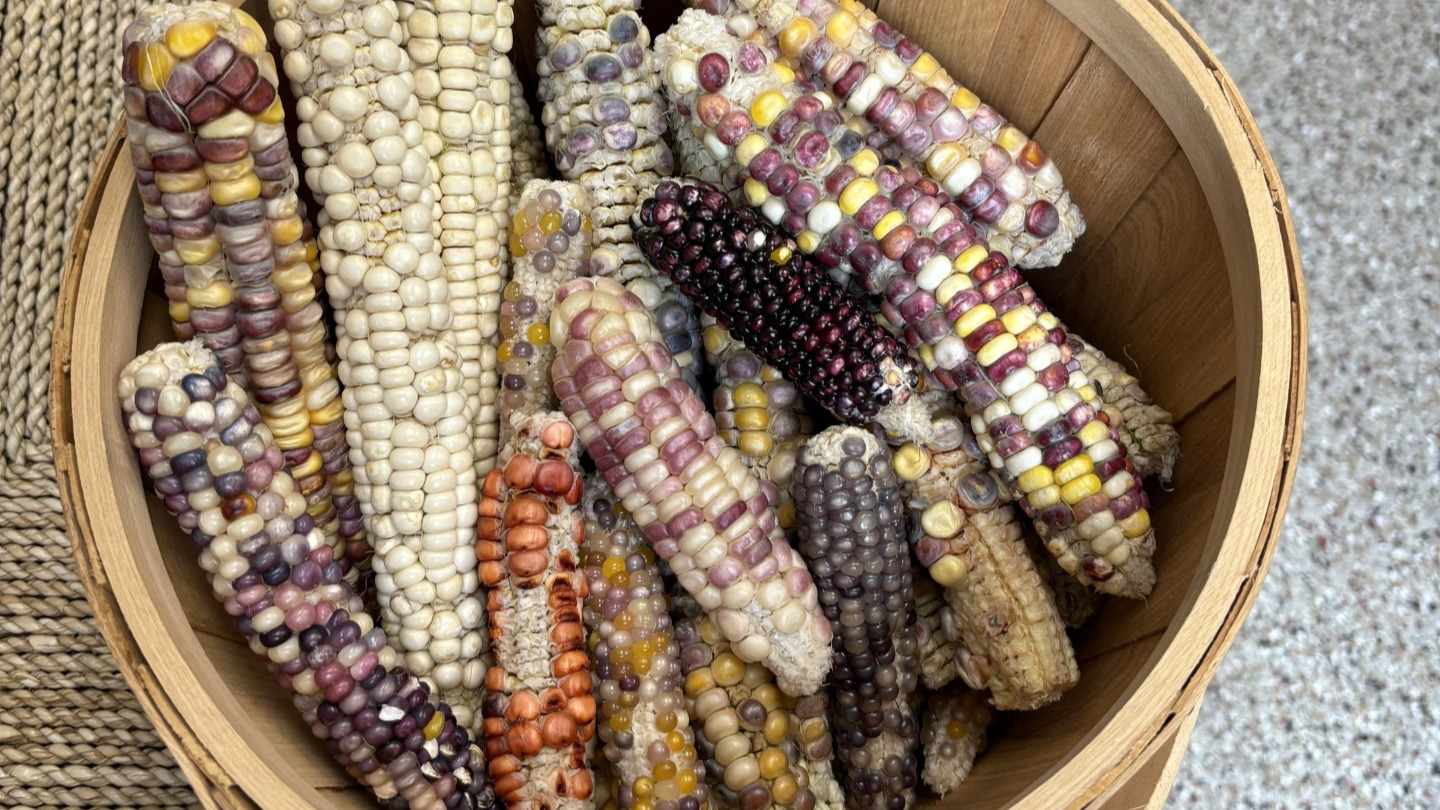
MVSKOKE RESERVATION — ‘Tis the season for festive foods and family gatherings, which means it’s the perfect time to share some traditional fare with loved ones and acquaintances alike.
This holiday season, give some traditional recipes and ingredients a try.
Some of these ingredients can already be found on most tables during holiday gatherings. Turkey, pumpkin, squash, corn, sweet potatoes, pecans, and even cranberries are all native to North America.
In fact, corn wouldn’t be a staple food today if it weren’t for the Indigenous people who discovered the process of nixtamalization. Nixtamalization is the process of soaking corn in an alkaline solution, like wood ash, in order to make the nutrients, like vitamin B3, bioavailable.
Corn and hominy are some of the most common ingredients found in Mvskoke and other southeastern tribes’ recipes.
In “Hokti’s Recipe Book of Creek Indian Foods,” corn or hominy that’s been processed with an alkaline wood ash solution is the foundation for about one-third of the recipes. This recipe book, available for free on the College of the Muscogee Nation’s website, contains 19 traditional recipes and their Mvskoke names.
Recipes in Hokti’s book include dishes like blue dumplings, safke, frybread, dried pumpkin, and stewed squirrel.
For a quicker version of safke that doesn’t require wood ash solution, Grub Americana recommends baking soda as a substitute in their recipe.
For those not versed in traditional cooking, video tutorials by Carol Tiger (Mvskoke) are available on her YouTube channel. Tiger has videos on Three Sisters Soup, hominy, safke, sour cornbread, and more. Several tribes have their own tutorials on YouTube as well, including the Muscogee (Creek) Nation. The MCN language program, Mvskoke Opunvkv, has a video tutorial on how to make fried pumpkin with a side of language lessons.
Additional recipes can be found online on resource websites such as North American Traditional Indigenous Food Systems. On the NATIF website, the Indigenous Food Lab Recipe Library contains recipes for home cooks and for large-scale institutional kitchens, such as those found in schools and churches.
The concept of preparing traditional Indigenous foods instead of Americanized foods for holidays is not new. Before Thanksgiving even existed, tribal communities had been gathering for feasts and celebrations around harvest times for centuries. Since 1970, the United American Indians of New England have held a National Day of Mourning on the fourth Thursday in November. Some Indigenous people have started celebrating Indigenous Feast Day instead, choosing to celebrate and gather on the same day.
Other Indigenous people wait until the day after Thanksgiving to enjoy their Feast Day, since the following Friday has been designated as National Native American Heritage Day since 1990.
Holiday menus featuring Indigenous recipes have also taken the internet by storm. TikTok user Elise Bonilla-Myers, using the handle glutenfreegf_, has been showcasing recipes from Native chefs since last holiday season. Bonilla-Myers features contemporary recipes that use traditional ingredients and focus on gluten- and dairy-free meals, since neither wheat nor cows are native to the Americas.