This story was updated on Friday, Sept. 11.
MVSKOKE RESERVATION – Section 106 of the National Historic Preservation Act of 1966 (NHPA) faces threats of diminished legal protections for Tribal cultural sites. Changes proposed by the Advisory Council on Historic Preservation (ACHP) on Friday, July 24, seek to make Tribal consultation optional and reduce Tribal Nations’ overall involvement in projects. The proposed changes were not developed in consultation with Tribes.
For fifty years, Section 106 has required a formalized evaluation process in which Tribal governments are consulted regarding project impacts on cultural properties. Its purpose is to mitigate harm to places with cultural or historical significance to Tribes. Section 106 does not guarantee the veto power over projects, but mandates that Tribes are meaningfully consulted first.
If the proposed regulatory revisions become law, they would narrow the instances in which Section 106 protections apply. Tribal consultation would become optional. The definition of “historic” would also be narrowed, limiting the Tribal property sites eligible for Section 106 consultations.
Muscogee (Creek) Nation Secretary of Culture and Humanities RaeLynn Butler said her department is aware of the proposed changes to rulemaking. She said the Nation is drafting a letter in response to the changes.
“The proposed changes are very concerning. We have been actively reviewing and preparing a letter for the proposed rule-making,” Butler said.
According to Tribal Historic Preservation Officer Dr. Savannah Waters, the proposed changes would weaken the role of THPO and Tribal Nations in preserving the Mvskoke homelands. She said that agencies would be able to make unilateral decisions on Traditional cultural sites without taking Indigenous knowledge into consideration.
“These proposed changes portray Native nations as obstacles to growth. When you add this all together, the threat to all of our sacred sites, cultural landscapes, and historic lands, increases exponentially. It opens lands to development to many federal projects and federal funded projects that may focus on energy development and more,” Waters said in a statement provided to Mvskoke Media.
Waters further stated that the proposed changes may put ancestral burial sites at risk. As a result, her department is seeking active NAGPRA consultations in the Mvskoke homelands. It would change government-to-government processes in states like Alabama and Georgia.
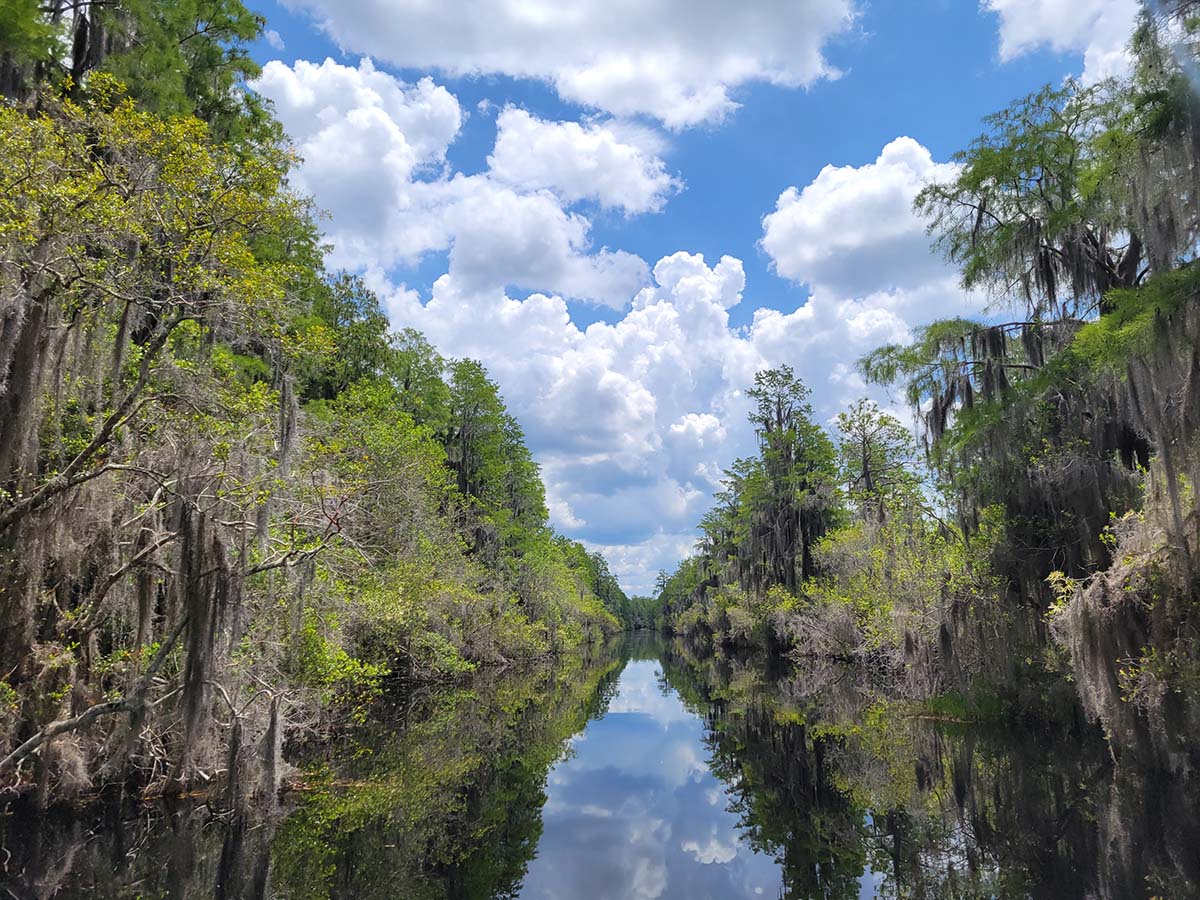
Director of Historic and Cultural Preservation Robin Soweka Jr. added that in regards to the homelands, mounds and other man-made structures will still be protected. However, mountains, valleys, bodies of water, and landscapes may become harder to protect. His greatest concern is that Tribal consultations will become optional, not mandatory.
“Originally, the ACHP recognized that Tribes have Indigenous knowledge and special expertise that cannot be learned in any type of educational or history books; however, with the proposed changes, this consultation may become optional to the federal agency’s own discretion and that the THPO may move from assisting with shaping decisions throughout the process to instead, reviewing a Section 106 report that is prepared by the federal agency. This means that consultation may move from a collaborative planning process with agencies to Tribes reacting to already developed conclusions by the federal agencies,” Soweka said in a statement provided to Mvskoke Media.
The National Congress of American Indians (NCAI) livestreamed a webinar on NHPA Section 106 updates on Wednesday, Aug. 19. It outlined what Section 106 is, its importance, and how traditional cultural landscapes could be affected if the proposed changes become law.
In a joint press statement published on Tuesday, Aug. 18, NCAI, the Association on American Indian Affairs, the National Association of Tribal Historic Preservation Officers, and the United South and Eastern Tribes Sovereignty Protection Fund outlined their concerns with the proposed revisions to Section 106. Together, they assert that Section 106 is not a courtesy; it is an obligation:
The Section 106 process reflects Congress’s recognition that federal agencies should understand the consequences of their decisions before historic and culturally significant places are damaged or lost. For Tribal Nations, the Section 106 process is inseparable from their inherent sovereignty, the unique legal and political relationship between Tribal Nations and the United States, and the trust and treaty obligations owed to Tribal Nations.
According to American Indian Affairs Cultural Sovereignty Director Dr. Crystal Miller, the proposed ACHP changes could affect traditional sites that are still used for ceremonial purposes. The proposed changes would affect more than just sites used in the past.
“We’re talking about living in particular relationships. A spring that is still prayed at. A mountain that is still a reason that ceremony happens and exists today. A valley where people still gather medicine, or maybe they still hunt there, and still bury their dead, and still bring their children there to learn. These are present-tense conversations we are having,” Miller said in the webinar.
The NACI is encouraging Tribal nations and Indigenous organizations to contact the Office of Information and Regulatory Affairs (OIRA) to discuss the proposed regulatory changes to Section 106. OIRA meetings can be requested, during which agency staff listen to concerns and views on rulemaking. MCN Historic and Cultural Preservation is encouraging Mvskoke citizens to send comments to the OIRA. Virtual meetings can be scheduled here.